Nanoparticles
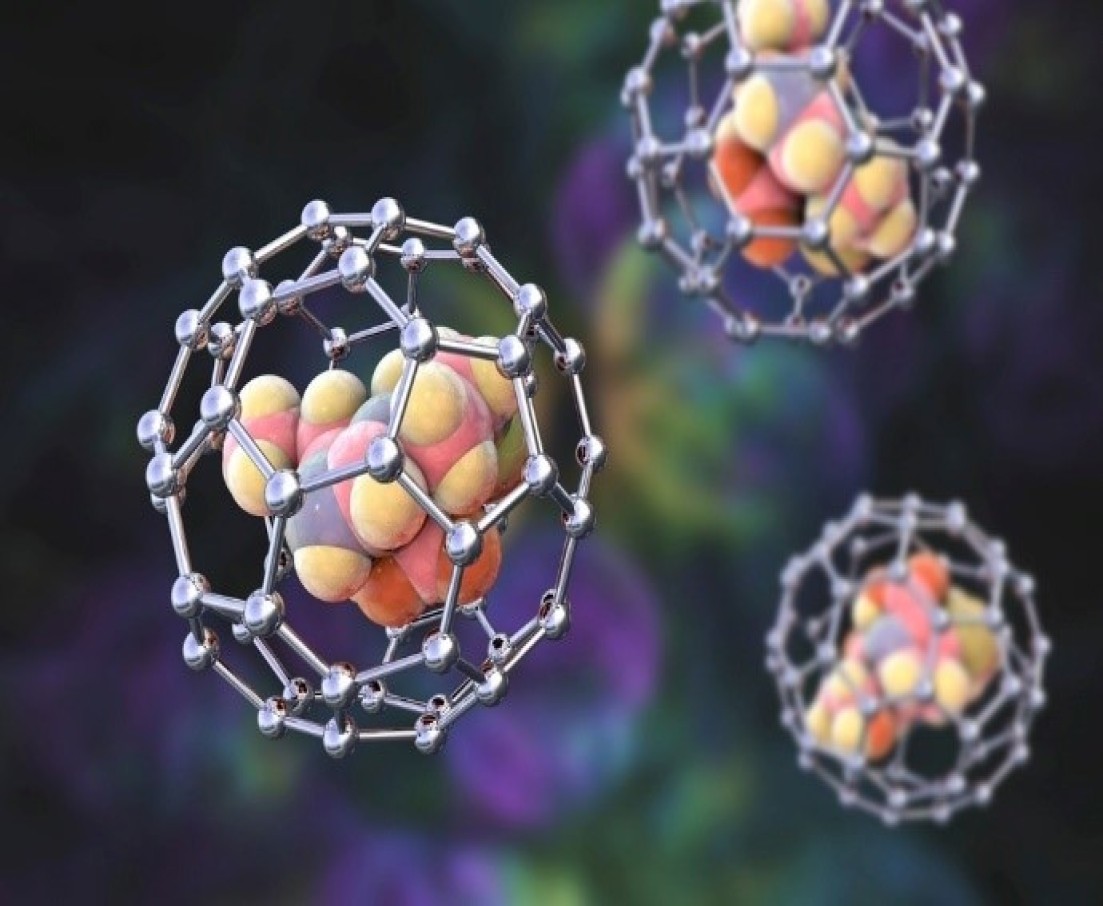
Nanomaterials are defined as materials with at least one dimension in the nanoscale range of 1–100 nm and are recognized as a unique class of matter due to their size dependent chemical, physical, and biological properties that differ markedly from their bulk counterparts. At this scale, materials exhibit novel optical, electrical, magnetic, and catalytic behaviors arising from quantum confinement effects and a significantly increased surface area to volume ratio. Based on their size, composition, structure, and dimensionality, nanoparticles can be broadly categorized into inorganic (metal and metal oxide), organic, ceramic, and carbon-based nanomaterials, including fullerenes, carbon nanotubes, graphene, carbon nanofibers, and carbon black, as well as one, two, and three dimensional nanostructures. Nanoparticles are generally synthesized using either top-down approaches, such as lithography, mechanical milling, laser ablation, sputtering, arc discharge, and thermal decomposition, or bottom-up approaches, including sol-gel processing, chemical vapor deposition, pyrolysis, spinning, and biological synthesis. Owing to their small size and high surface reactivity, nanomaterials exhibit strong interactions with biological systems and environmental contaminants, making them highly valuable in diverse fields such as biomedicine, agriculture, electronics, energy generation, environmental remediation, food technology, cosmetics, coatings.